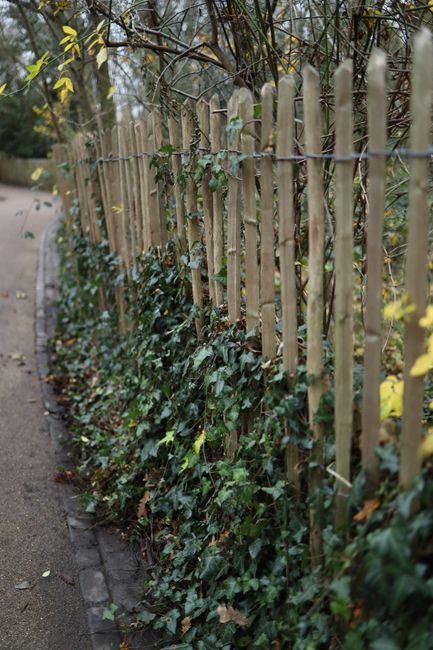
Epping Forest Edge Garden Makeover by Chingford Gardeners
If your garden sits on the edge of Epping Forest, you already know it's a slightly different beast. The light changes fast, the wind can sweep through, roots and shade can affect planting, and the whole space often feels half-wild if it isn't planned properly. An Epping Forest edge garden makeover by Chingford gardeners is about more than making things look neat. It's about shaping a garden that works with the setting, not against it.
That might mean taming overgrown boundaries, improving access, creating better seating, or choosing plants that can cope with dappled shade and the odd damp corner. It can also mean practical jobs that make a big visual difference quite quickly, like hedge shaping, lawn restoration, new edging, or a simple layout rethink. In the real world, that is often where the biggest transformation happens. Not in a huge dramatic reveal. In the details.
This guide walks through what a forest-edge makeover typically involves, why it matters, who it suits, and how to approach it sensibly. If you're weighing up whether to refresh a tired garden or start from scratch, you'll find a straightforward, local-minded explanation here.
Why Epping Forest Edge Garden Makeover by Chingford Gardeners Matters
Gardens close to Epping Forest tend to have character, but they also come with quirks. You may have mature trees casting long shade. Soil can be patchy, compacted, or root-heavy. Boundaries may feel exposed, especially in winter when the leaves are down and every line of sight opens up. And because the area sits so close to woodland, people often want a garden that feels calmer, tidier, and easier to live with without losing that natural edge.
That is where a thoughtful makeover earns its keep. Chingford gardeners who understand local garden conditions can spot the tension between "natural" and "neglected" pretty quickly. The aim is usually to keep the woodland feel while bringing structure back in. Think crisp borders, better circulation, cleaner sightlines, and planting that looks good in shade as well as summer sun. Simple idea. Not always simple execution, as anyone who has tried to rescue a mossy lawn in late October will tell you.
It also matters because a garden on the forest edge can influence the way the whole property feels. If the garden is overgrown, muddy or awkward, the house often feels smaller and less settled. If it is well laid out, even a modest plot can feel generous, calm and inviting. A makeover is often less about "luxury" and more about making daily life easier.
Expert summary: the best forest-edge garden makeovers balance structure, resilience and softness. You want a space that feels intentional in January, not just impressive in June.
How Epping Forest Edge Garden Makeover by Chingford Gardeners Works
A proper makeover usually starts with an assessment of the existing space. Not just what looks messy, but what is actually causing the mess. Is the lawn failing because of shade? Are shrubs overcrowded? Has the boundary become too closed in? Is there poor drainage after rain? These questions shape everything that comes next.
From there, the work is usually broken into a few clear stages. First comes clearance or reduction of problem growth. Then the garden layout is refined. After that, the functional elements are improved: paths, edges, steps, seating areas, sleeper beds, lawn areas, screens, or planting zones. Finally, the finishing work brings it all together so the garden looks coherent rather than patched together.
For many homes near Epping Forest, the smartest approach is phased. You do not have to rebuild the whole space in one go. In fact, trying to do everything at once can be expensive and a bit overwhelming. A phased makeover lets you deal with the worst issues first, then build on the results. That's often the calmer, safer route.
If you are comparing services, it can help to look at broader support too, not just design. A garden makeover often sits alongside landscape gardening, landscaping, and ongoing garden maintenance. If the garden has become severely tangled, a careful garden clearance may be the best starting point before any finer work happens.
Key Benefits and Practical Advantages
The obvious benefit is visual. A tired edge garden can go from cluttered and overgrown to calm and usable. But the practical gains are often bigger than people expect.
- Better use of space: awkward corners can become planting pockets, benches, storage zones or stepping-stone routes.
- Less maintenance stress: a clear structure means fewer weekly battles with runaway growth.
- Improved privacy: managed hedging and thoughtful screening can soften overlooking without making the space feel boxed in.
- More resilient planting: shade-tolerant, woodland-friendly planting tends to perform better in this environment.
- Safer access: solid paths, level areas and tidy edges reduce slips and trip hazards, especially after rain.
- Better curb appeal: a controlled, healthy-looking garden makes the whole property feel more cared for.
There is also something a little less measurable: the garden becomes easier to enjoy. You sit outside more often because it feels comfortable. You glance out of the window and don't feel that familiar internal sigh. And yes, that matters more than people admit. A garden should be lived in, not merely looked at through the glass.
In practical terms, a makeover near woodland often needs a stronger emphasis on boundaries and canopy management. That may include hedge trimming for shape and light, or careful tree lopping and removal where branches are causing shade, congestion or safety concerns. If seating or social space is part of the brief, adding a decked area can help create a dry, level surface; see the site's decking services for that kind of hardscape improvement.
Who This Is For and When It Makes Sense
This kind of project suits a few different households. You may recognise yourself in one of these:
- Homeowners with mature, messy gardens: the garden has structure in theory, but in reality it feels like a tangle.
- Families needing usable outdoor space: you want somewhere safe for children, pets and relaxed weekend use.
- Buyers preparing a sale: the garden needs to look generous and well cared for without over-investing.
- New owners: you've moved in, inherited a difficult garden, and don't know where to start.
- People living close to woodland edges: shade, moisture and leaf fall are making the space harder to manage.
It also makes sense when the garden is technically "fine" but feels wrong. That sounds vague, but you will know it when you see it. The space may be too dark, too enclosed, or simply not pulling its weight. You might have decent square footage but no proper path, no seating, and no focal point. That's the sort of garden that quietly annoys you every time you open the back door.
Sometimes the timing is seasonal. Late winter and early spring are common moments for planning, because the shape of the garden is easier to see. But an overgrown forest-edge garden can be assessed at any time of year. In fact, after a wet spell or a windy week, problem areas become painfully obvious. A bit rude, but useful.
Step-by-Step Guidance
Here is a practical way to think about the process. Not every project follows this exact route, but it is a reliable framework.
- Walk the garden properly. Notice where it is damp, shady, cluttered, hidden, or awkward to cross.
- Identify the priority issues. These are usually clearance, boundary control, drainage, access, and structure.
- Decide what stays. Mature shrubs, established trees and good hardscape features can often be retained.
- Remove or reduce the worst growth. This opens up the space and lets the rest of the design make sense.
- Set the new layout. A path, seating area, lawn shape, or simple bed geometry can change everything.
- Choose materials and planting. Pick things that suit shade, moisture and leaf fall rather than fighting the conditions.
- Finish and protect. Edging, mulch, tidy transitions and maintenance planning help the makeover last.
A good rule of thumb: if the garden is difficult to move through, start with access before beauty. If it is hard to maintain, start with structure before decoration. And if it is both, well, that is common enough. No shame there.
To keep the result practical, many homeowners pair the makeover with regular lawn mowing and ongoing upkeep. A beautifully shaped garden can fall back into chaos if the routine work is ignored. That part is not glamorous, but it's the backbone.
Expert Tips for Better Results
In our experience, the most successful edge-garden makeovers are the ones that respect the site rather than trying to erase it. That sounds obvious, yet it is where many projects go sideways.
- Work with shade, not against it. Use ferns, evergreen texture, and shade-tolerant perennials where direct light is limited.
- Keep lines simple. Clean borders and a limited number of materials often look better than a busy mix of styles.
- Don't over-open the boundary. A little enclosure can be welcome near woodland. Total exposure can feel stark.
- Allow for leaf fall. It is part of the setting, so design for easier seasonal clear-up rather than pretending it won't happen.
- Use planting in layers. Low groundcover, mid-height shrubs, and taller structure together tend to look more natural and survive better.
- Think about winter views. The garden needs to look good when the leaves are off and the light is flat.
One small tip that makes a bigger difference than people expect: look at the garden from the back door in the evening, not only in daylight. You will spot clutter, poor framing, and awkward shadows much more clearly. Funny how a space can seem "fine" at noon and completely different by 4:30.
If you want a more natural feel but with proper structure, ask about layering hard and soft elements. A slight change in level, a low retaining edge, or a simple deck can stop the garden feeling flat. The right combination usually feels understated rather than flashy. Which is generally a good thing.
Common Mistakes to Avoid
There are a few classic errors that show up again and again on forest-edge projects.
- Removing too much too quickly: stripping out all character can leave a space bare and exposed.
- Ignoring drainage: if the ground stays wet, the garden will keep behaving badly no matter how good it looks on day one.
- Choosing the wrong plants: sun-loving planting in a shaded garden is a recipe for disappointment.
- Overcomplicating the design: too many materials and features can make a small or awkward garden feel smaller.
- Forgetting maintenance: a makeover is not a one-off magic trick.
- Leaving boundary work to last: hedge and tree management often need to happen early, not after the pretty bits are in.
Another mistake is trying to make the garden look like a showroom rather than a usable space. Real gardens have muddy boots, leaf litter, pets, kids, and the odd recycling box. That's life. A sensible design handles life gracefully instead of pretending it doesn't exist.
And here's the thing: some homeowners are too cautious. They live with a frustrating garden for years because they fear changing the wrong thing. Sometimes a bold but sensible reset is exactly what is needed. Not reckless. Just decisive.
Tools, Resources and Recommendations
For a makeover of this type, the right tools and inputs matter. You do not need a hundred gadgets. You need the right ones, used well.
| Need | Useful approach | Why it helps |
|---|---|---|
| Clearance | Cut back, remove waste, and open access first | Makes it easier to see the real shape of the garden |
| Boundary control | Trim hedges and manage tree growth carefully | Improves light, privacy and safety |
| Structure | Add edging, paths, beds or a decked zone | Gives the garden a coherent layout |
| Planting | Choose shade-tolerant, robust species | Better long-term performance in woodland-edge conditions |
| Maintenance | Set a realistic routine from the start | Prevents the garden slipping back into disorder |
If the garden is badly congested, start with a proper clear-out rather than jumping straight to planting. That is usually where a service like garden clearance earns its place. After that, a phased maintenance plan can keep the results tidy without becoming a chore.
For homeowners who want a wider refresh, it can also help to review the full service range through the site's services overview. That gives a better sense of how different tasks fit together, rather than treating each garden job like a separate island. They rarely are separate, truth be told.
Law, Compliance, Standards, or Best Practice
Any garden makeover near trees, shared boundaries, paths or uneven ground should be handled with care. You do not need to become a legal expert to make sensible choices, but a few best-practice points matter.
First, tree work should be done cautiously and in line with accepted arboricultural practice. If a tree is protected or likely to be subject to local restrictions, checks should be made before removal or major reduction. The same cautious approach applies near neighbouring properties and boundaries. It is always better to confirm than assume.
Second, safety matters during clearance, digging and hardscaping. Slippery slopes, hidden roots, buried debris and unstable edges can all create avoidable risk. Good practice means planning the work, using suitable protection, and not making rushed decisions just to "get it done".
Third, if waste is being removed, recycling and responsible disposal should be part of the plan. That is not just tidy-thinking; it helps the project stay efficient and less wasteful. If sustainability matters to you, it is worth asking how green waste and other materials are handled. The site's recycling and sustainability page is a useful place to understand that mindset.
Finally, if you are paying for garden work, clear quotes and fair payment terms are basic best practice. You should know what is included, what is excluded, and how changes are handled. Nothing dramatic. Just clarity. It saves hassle later.
For general trust and service transparency, you may also want to review the company's about us information, along with insurance and safety details. Those pages help set expectations before any work starts.
Options, Methods, or Comparison Table
Not every garden needs the same kind of makeover. The best method depends on how much change the space needs and how quickly you want to get there.
| Method | Best for | Pros | Trade-offs |
|---|---|---|---|
| Light refresh | Gardens that are mostly functional but untidy | Fast, cost-conscious, less disruption | May not solve deeper structural issues |
| Phased makeover | Gardens with a few big problems and a decent base | Flexible, easier to budget, good long-term control | Takes longer to complete fully |
| Full redesign | Severely awkward or outdated gardens | Most transformative, gives a clean slate | More planning, more cost, more disruption |
Most forest-edge gardens sit somewhere between a light refresh and a phased makeover. A full redesign is useful when the layout is fundamentally wrong, but it is not always necessary. A lot can be achieved by reshaping existing features, improving access, and simplifying the planting.
If you are unsure which route is best, ask for a conversation about practical priorities rather than a perfect dream brief. It's easier to sort out the "must-fix" items first and then add the nice-to-haves. That tends to keep the project grounded.
Case Study or Real-World Example
A typical Epping Forest edge garden makeover might begin with a back garden that has become narrow, dark and hard to use. The hedge is too high, the lawn is patchy from shade, and the side return has become a dumping ground for broken pots, garden furniture and a few mystery items that nobody remembers buying. You know the sort of thing. It happens.
The first phase would likely focus on reducing clutter and opening the space. Overgrown hedge sections are trimmed back to create breathing room. A few weak shrubs are removed. The worst debris is cleared out. Then the shape of the garden is reworked so that one clear route leads to a seating area, rather than forcing you to weave around obstacles.
Next, planting is simplified. Instead of lots of mixed, struggling plants, the border gets a smaller number of hardier species that cope better with shade and moisture. Mulch is added to improve appearance and help the soil retain moisture more evenly. A compact deck or sitting platform might be introduced where the ground was previously muddy after rain.
The result is not a show garden in the glossy-magazine sense. It is better than that. It is a space that feels settled. You can step outside without feeling you've entered a maintenance emergency. And that is often the real win.
Practical Checklist
Use this checklist before starting an edge-garden makeover.
- Identify the main problem areas: shade, drainage, clutter, access, privacy, or layout.
- Decide what should be kept and what should go.
- Check whether hedge trimming or tree reduction is needed first.
- Choose materials that suit the setting rather than forcing a mismatched look.
- Plan for leaf fall, damp ground and seasonal change.
- Keep pathways and seating areas practical, level and easy to maintain.
- Think about the garden from the back door, not just from a design sketch.
- Set a realistic maintenance routine for after the makeover.
- Confirm how waste will be removed or recycled.
- Ask for a clear breakdown of scope, timing and costs before work begins.
Quick take: the best outcomes usually come from solving structure first, then planting, then finish. If you reverse that order, the garden can look lovely for about five minutes and then start fighting back.
For pricing clarity, it can be helpful to review pricing and quotes before making decisions. A well-written quote makes the job easier to compare and less stressful to approve.
If you want to speak to the team about a project of this kind, the simplest next step is to use the details on the contact page. A short conversation is often enough to work out whether the job needs a light tidy, a phased transformation, or a more substantial reset.
Get a free quote today and see how much you can save.
Conclusion
An Epping Forest edge garden makeover by Chingford gardeners is really about creating balance. The best gardens in this setting feel natural, but not neglected. They feel private, but not boxed in. They feel practical in winter and welcoming in summer. That balance takes a bit of judgement, especially where shade, roots, leaf fall and changing weather all play a part.
If your garden has been nagging at you for a while, that is usually a sign. Not a crisis, just a sign. Start with the structure, keep the plan realistic, and aim for a space that fits the way you actually live. Small changes can make a surprisingly big difference, and the right ones tend to keep paying you back every time you open the back door.
And honestly, there's something lovely about a garden that finally feels easy.
Frequently Asked Questions
What is an Epping Forest edge garden makeover?
It is a garden improvement project designed for homes near Epping Forest, where shade, leaf fall, roots, and boundary growth often affect how the garden looks and functions. The goal is to create a space that feels more usable, tidy and resilient.
Why do gardens near the forest need a different approach?
Because the conditions are often more demanding. There can be heavier shade, more moisture, more seasonal debris and more pressure from surrounding mature vegetation. A standard sunny-garden plan often underperforms here.
Do I need a full redesign, or can I just tidy things up?
It depends on the state of the garden. If the layout is basically fine, a tidy-up, hedge work and planting refresh may be enough. If the space feels awkward or difficult to use, a phased redesign may make more sense.
How long does a garden makeover usually take?
That varies with scope, access and how much clearance is needed. A smaller refresh may be relatively quick, while a full transformation with new features can take much longer. It is better to judge by the work involved than by a fixed assumption.
What are the best plants for a shady forest-edge garden?
Shade-tolerant and moisture-friendly planting usually performs best. Think in terms of texture, structure and seasonal interest rather than forcing sun-lovers into the space. A local gardener can help match plant choices to your actual conditions.
Can hedge trimming really make a big difference?
Yes, often more than people expect. Cutting back an overgrown hedge can improve light, make the garden feel wider, and sharpen the overall shape. It can also make maintenance easier going forward.
Is tree work always necessary in these gardens?
No, not always. But sometimes selective reduction or removal is needed to improve light, safety or access. The key is to assess it carefully and avoid removing healthy structure without a clear reason.
How do I stop the garden from becoming messy again?
Build in a realistic maintenance plan from the start. That may include regular mowing, seasonal cutting back, edging, and occasional pruning. A beautiful garden is much easier to keep tidy when it has a simple structure.
What if the garden gets muddy after rain?
Drainage, surface choice and layout all matter. In some cases, a more robust pathway, a raised edge, or a decked seating area can make the space far more practical. Muddy ground is not something to "just live with" forever.
Will a makeover improve property appearance?
Usually, yes. A well-planned garden can make the whole home feel more cared for and more spacious. Even modest improvements can change the impression dramatically, especially near the forest where gardens can easily look unruly if left alone.
How do I know which services I need first?
Start with the biggest problems. If the garden is overgrown, clearance or hedge work may come first. If it is structurally weak, landscaping or a layout change may be the starting point. The site's services overview can help you think through the options in a sensible order.
How do I get a quote for my garden project?
The easiest step is to contact the team and describe the garden, its main issues, and the kind of result you want. A brief discussion often clarifies whether you need maintenance, clearance, a makeover or a mix of services.