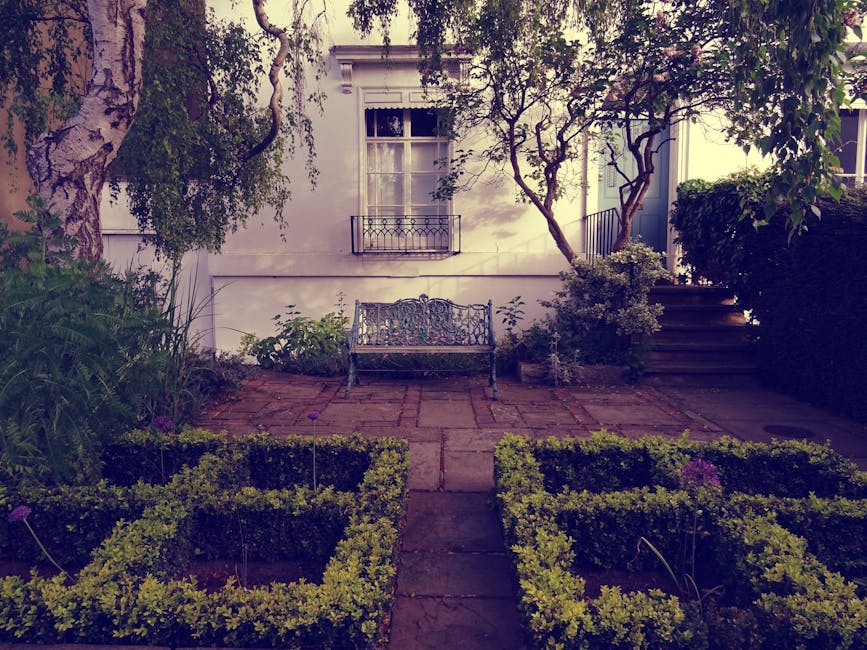
Top Chingford gardeners for small front gardens no nonsense
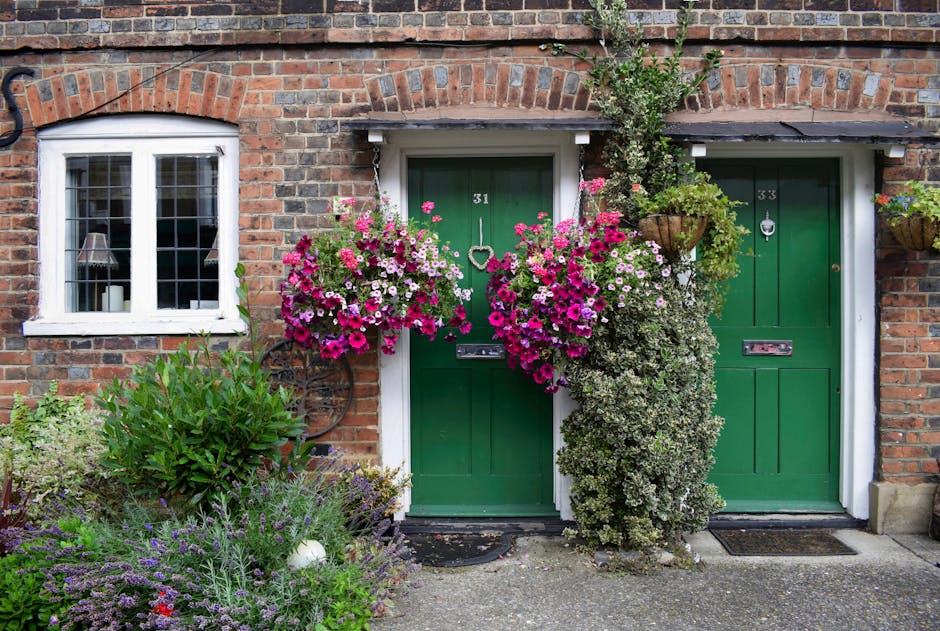
If you have a small front garden in Chingford, you already know the truth: it can look tidy one week and a bit sorry for itself the next. One windy spell, a few weeds, a hedge that has had a growth spurt, and suddenly the whole front of the house feels less welcoming. That is where Top Chingford gardeners for small front gardens no nonsense really comes into its own. You want practical help, not grand talk. Clear advice, neat results, and a garden that looks cared for without becoming a weekend project you dread.
This guide is for homeowners who want straight answers on what works in a compact front space, what to avoid, and how to choose the right gardening support for a small but important part of the property. We will keep it grounded, local, and useful. No fluff. Just the things that genuinely matter when your front garden is tiny, visible, and judged by everyone who walks past.
Why Top Chingford gardeners for small front gardens no nonsense Matters
Small front gardens are deceptively important. They are the first thing you see when you come home, and the first thing visitors notice. In a place like Chingford, where many homes sit close to the pavement and road, that small strip of planting can frame the whole property. If it is overgrown, patchy, or cluttered, the house feels tired. If it is neat and balanced, everything lifts.
The problem is that small spaces punish bad decisions. A shrub that looked fine in the nursery can become too wide for the bed in a year or two. A decorative feature can end up making the space feel cramped. Even a little lawn can quickly turn into a patch of moss and frustration if it is not maintained properly. So the no-nonsense approach is not about doing less. It is about doing the right things, in the right order, with no wasted effort.
That is why many homeowners look for reliable local help rather than trying to improvise. A skilled gardener can assess what is genuinely worth keeping, what needs reshaping, and what should probably go. If you want a wider view of services that usually support this kind of work, the services overview is a useful place to start.
Expert summary: In a small front garden, simplicity beats clutter almost every time. Clean edges, controlled growth, and a sensible planting plan usually deliver more curb appeal than lots of separate features trying to compete with one another.
How Top Chingford gardeners for small front gardens no nonsense Works
The no-nonsense method is basically a process of trimming away waste and keeping only what earns its place. Sounds harsh, maybe, but small gardens need that discipline. You begin with a proper look at the space: sunlight, shade, soil, access, drainage, and how much maintenance you can realistically manage. Then the garden is shaped around those realities rather than around a glossy idea that will be impossible to maintain.
For many front gardens, the work comes down to a handful of jobs done well. That might mean hedge trimming, light pruning, lawn tidy-ups, bed clearing, edging, weed control, and perhaps a simple redesign to stop the space feeling overcrowded. In some cases, a one-off reset with garden clearance is the best starting point, especially if the area has been neglected for a while.
Then comes maintenance. Small front gardens do best with routine attention rather than dramatic intervention every few months. A short visit every so often can stop the garden from drifting into mess again. That is where regular garden maintenance can be the difference between "always tidy" and "why did I leave it this long?". Truth be told, a little upkeep goes a long way. A very long way.
If there is a lawn involved, the routine often includes mowing at the right height for the season. Too short and the grass struggles. Too long and it looks scruffy in days. If the front space is more hedge than planting bed, keeping growth in check matters even more, because a hedge that leans out over the pavement can make a small frontage feel half the size. That is why hedge trimming is often one of the first jobs on the list.
Key Benefits and Practical Advantages
The benefits are not just visual, although that is usually the first thing people notice. A well-kept front garden changes how the house feels to live with. You stop feeling mildly embarrassed when someone comes to the door. You stop noticing the same annoying patch of weeds every time you leave for work. And yes, it can make the whole property feel more settled.
- Better kerb appeal: A compact, tidy front space makes a home look cared for straight away.
- Less ongoing hassle: A sensible plan reduces the need for emergency tidying before guests arrive.
- Safer access: Clear paths, trimmed growth, and removed clutter make moving in and out easier.
- More usable space: Smart layout choices make a small area feel bigger than it is.
- Lower maintenance pressure: The right planting and pruning choices keep the garden from becoming high-maintenance.
There is also a practical financial angle, though it should not be overstated. A neat frontage often gives a better first impression to buyers and visitors alike. It suggests order and care. You do not need a full landscape transformation to get that effect either. Often it is the small things: crisp edges, consistent height, clear sightlines, and no random clutter at the front path.
If you are considering a more visible change, perhaps replacing tired surfaces or reworking a narrow entrance area, it can help to look at landscaping support or more focused landscape gardening for small spaces. Not every garden needs a full rebuild, of course. Some just need calm, thoughtful handling.
Who This Is For and When It Makes Sense
This kind of service suits homeowners who want a front garden that looks smart without becoming a burden. It is especially useful if you are busy, if your garden is hard to keep under control, or if you are simply tired of doing a bit here and a bit there with no real improvement.
It also makes sense if your front garden has awkward proportions. Narrow beds, sloped frontages, tiny lawns, exposed hedges, and mixed surfaces can all benefit from professional judgement. A good gardener will not just cut things back and leave. They will notice where the space is fighting itself. That is the real value.
You may especially need this if:
- the garden has become overgrown and you do not know where to start
- you want a tidy front garden but do not want a high-maintenance design
- your hedge, shrubs, or lawn need regular shaping rather than a one-off fix
- you are preparing a home for sale, rent, or regular visitors
- the front space feels cramped and visually messy
- you want practical maintenance rather than decorative excess
Homeowners who value clear communication tend to get the best results. No one benefits from vague promises. If you want to understand the business side as well, the pricing and quotes page can help you see how the process is usually approached, and the about us page is useful if you want a better sense of who is doing the work.
Step-by-Step Guidance
A small front garden works best when it is handled in a calm, practical sequence. Here is the simple version.
- Walk the space properly. Look at what is healthy, what is tired, and what is just in the way. Ask whether each plant or feature genuinely adds value.
- Clear the obvious clutter first. Remove dead material, weeds, litter, fallen branches, and anything that blocks the shape of the garden. If the space is badly built up, a one-off clearance service may save a lot of time.
- Set the structure. Decide what should dominate: a lawn, a border, a hedge, or a clean hard surface with a few plants. Small gardens need a clear lead.
- Cut back the oversized elements. This may include hedge shaping, pruning, or selective removal. If there is tree growth causing shade or crowding, tree lopping and removal may be relevant, but only where appropriate and safe.
- Tidy the edges. Clean lines matter more in small spaces. A neat border and a clear path can make a modest frontage feel sharper immediately.
- Check the maintenance level. If the garden takes too much effort, it will slowly drift. Choose finishes and planting that fit your real life, not the idealised one where you have spare time every Thursday afternoon.
- Put a schedule in place. Once the garden is set up, regular light maintenance prevents expensive rework later on.
That sequence sounds basic, and it is. But basic done well is often what makes a small front garden work. People can overcomplicate this. It happens all the time.
Expert Tips for Better Results
Here are the bits that usually make the biggest difference, especially in front gardens where every inch counts.
- Choose restraint over variety. Too many plant shapes, colours, and textures can make a small garden feel busy. Limit the palette and let the space breathe.
- Keep sightlines open. If the entrance is hidden behind overgrown planting, the whole frontage feels smaller. A bit of openness goes a long way.
- Use repetition carefully. One or two repeated plants often looks better than a random mix of five or six different types.
- Think in layers. Low planting at the front, mid-height structure behind, and a tidy boundary can make a tiny bed feel intentional.
- Do not let the hedge win. Hedges are useful, but in a small front garden they can take over fast. Regular trimming keeps them under control.
- Respect drainage and soil condition. A pretty design is useless if plants keep failing because the ground is too wet, too dry, or compacted.
One practical note from real-world jobs: the best small-front-garden results often come from removing one thing rather than adding five. A crowded bed can look transformed just by taking out the wrong shrub. It is a little deflating, maybe, but also oddly satisfying.
If you are weighing up whether to improve surfaces as well, a restrained feature like a small decked sitting area can work in some front settings, though it is not for every property. The point is to avoid making the front feel like a showroom. A front garden should look cared for, not staged.
Common Mistakes to Avoid
Small front gardens are where people often make the same few mistakes. Nothing dramatic. Just decisions that pile up until the space feels awkward.
- Overplanting: Filling every gap with plants leaves no room for shape, access, or future growth.
- Choosing plants that outgrow the bed: This is a classic. Lovely at first, then suddenly too big for the space.
- Ignoring maintenance needs: If a design only works when constantly fussed over, it is not a good design for most busy households.
- Letting the lawn struggle: Tiny lawns can be useful, but they need care. If not, they become a thin green apology.
- Forgetting boundaries and edges: Untidy edging makes even well-kept planting look unfinished.
- Using too many materials: A mix of paving, gravel, sleepers, edging, and ornamental features can look cluttered very quickly.
There is also a safety angle. Overhanging branches, slippery paths, and unstable planters can all create small but real risks. If the frontage includes damaged hard landscaping or a tired structure, it may be better to fix that first rather than decorating around it. A tidy front garden should be easy to move through, not a little obstacle course.
Tools, Resources and Recommendations
The right tools make small-space gardening much easier, but you do not need a shed full of kit. For most front garden jobs, the essentials are fairly straightforward.
- Hand shears for shaping shrubs and smaller hedges
- A reliable mower for compact lawns
- A stiff broom for paths and edges
- Hand forks and a trowel for weeding and replanting
- Pruning tools sized to the job, not oversized tools used "just because"
- Gloves, eye protection, and sturdy footwear when cutting back growth
For homeowners who would rather not buy and store all the kit, using a local gardener is usually the most sensible route. It keeps the work efficient and avoids the classic half-finished weekend project that starts with enthusiasm and ends with tired hands and a wheelie bin full of cuttings.
When choosing help, it is worth looking for clear communication, practical suggestions, and a willingness to explain what they are doing. A dependable provider should be open about scheduling, materials, access, and what happens to waste. If you care about waste handling and greener practice, the recycling and sustainability page is worth a look. For site safety and homeowner reassurance, insurance and safety is another sensible reference point.
Law, Compliance, Standards, or Best Practice
For ordinary front garden maintenance, there usually is not a heavy legal burden, but there are still sensible standards to follow. If trees are involved, especially near boundaries or public areas, it is wise to check ownership and responsibility before cutting anything significant. If a hedge or branch is affecting the pavement, road, or neighbouring property, the work should be handled carefully and with awareness of access and safety.
In practical terms, best practice means:
- working safely around paths, walls, fences, and nearby vehicles
- using appropriate tools for pruning and cutting
- disposing of waste responsibly
- avoiding damage to shared boundaries or adjacent property
- keeping access routes clear while work is underway
If you are hiring someone, it is reasonable to ask how they handle waste, what safety measures they use, and whether they can explain any risks in plain English. That is not overcautious. It is just sensible. A trusted provider should be comfortable discussing these points without making you feel awkward for asking.
You may also want to review practical policies such as the health and safety policy, especially where ladder work, hedge cutting, or tree-related work is involved. For general terms, the terms and conditions page is useful, and if you want to understand how any personal data or website interactions are handled, there is also a privacy policy.
Options, Methods, or Comparison Table
Not every small front garden needs the same approach. In fact, choosing the wrong method is one of the quickest ways to waste money and create more maintenance than you wanted in the first place. Here is a simple comparison of common approaches.
| Approach | Best for | Pros | Trade-offs |
|---|---|---|---|
| Routine tidy and maintenance | Gardens that are already in reasonable shape | Cheap to keep up, low disruption, consistent appearance | Does not solve structural problems |
| One-off clearance and reset | Overgrown or neglected front gardens | Fast visual improvement, removes clutter, creates a clean start | Needs follow-up maintenance to stay neat |
| Selective reshaping | Gardens with too many plants or poor layout | Improves balance and makes space feel bigger | Needs judgment; easy to overdo if rushed |
| Light landscaping adjustments | Front gardens with awkward paths, borders, or levels | Can improve usability and appearance together | More planning involved, usually higher cost |
For most small front gardens, the first and second options are enough. Light landscaping becomes useful if the basic structure is not working. Decking, for example, can be a smart fit in some settings, but only where it genuinely improves access or appearance. If you are unsure, take a look at the decking services page as a reference point rather than a default answer. Not every front garden needs timber underfoot. Some do, some absolutely don't.
Case Study or Real-World Example
Picture a typical Chingford front garden: a narrow patch of lawn, a hedge that has spread a little too far towards the pavement, and a bed with a couple of shrubs that used to look elegant but now feel crowded. Nothing dramatic, just a space that has drifted.
The first visit starts with cutting back the hedge, removing the worst of the weeds, and clearing the dead material from the bed. Then the garden is assessed properly. One shrub is kept and reshaped. Another is removed because it is simply too bulky for the site. The lawn is mown and edged. The path is cleared. A few areas are left open so the frontage feels less cramped. No gimmicks. No over-design.
By the end, the front garden looks calmer. The path is visible again. The hedge sits within its boundary instead of spilling over it. The whole house feels more welcoming from the street. It is not flashy. It does not need to be. In the evening light, when the front door is lit and the planting sits neatly in place, the change is obvious. Small, but obvious.
That is the point of a no-nonsense service. Not a "wow, what happened here?" moment. More like: "Ah, that makes sense now." And honestly, that is enough for most people.
Practical Checklist
Use this quick checklist before booking work for a small front garden.
- Is the space overgrown, cluttered, or simply awkward?
- Do you want a one-off tidy, regular maintenance, or a small redesign?
- Are there hedges, lawn areas, or trees that need proper attention?
- Do you want low-maintenance planting rather than decorative complexity?
- Are paths, edges, and access routes clear and safe?
- Do you know what you want removed, kept, or reshaped?
- Have you thought about ongoing upkeep after the initial work?
- Do you want waste cleared away responsibly?
- Have you checked pricing, scope, and expected timing?
- Would a simple garden maintenance plan suit you better than repeated one-off fixes?
If you can answer most of those questions, you are already ahead of the game. If not, that is fine too. Many people start with only a rough idea and refine it once they see the space clearly.
Get a free quote today and see how much you can save.
Conclusion
Top Chingford gardeners for small front gardens no nonsense is really about getting the basics right and keeping them right. A small front garden does not need drama. It needs judgement, consistency, and a clear plan that respects the space you actually have. Cut out the clutter. Keep the structure tidy. Choose maintenance over chaos. Simple, yes, but not always easy on your own.
If you want to talk through a tidy-up, a clearance, or a proper maintenance approach, start with a calm conversation and look for practical guidance rather than big promises. A good gardener will help you protect the shape of the space, not fight it. And once the front garden works properly, the whole house tends to feel better too. Funny how that happens.
Sometimes the smallest spaces make the biggest difference. Especially the one right outside your door.
Frequently Asked Questions
What does no-nonsense gardening mean for a small front garden?
It means focusing on practical results: tidy edges, controlled growth, sensible planting, and regular upkeep. No decorative clutter, no unnecessary work, and no overcomplicated design that is hard to maintain.
How often should a small front garden in Chingford be maintained?
That depends on how much is planted and how fast things grow, but many small front gardens benefit from light attention every few weeks during the growing season. Some need more, some less. It varies.
Is a small front garden better with a lawn or planting beds?
Either can work. A lawn suits people who want a simple open feel, while planting beds can be better if you want lower visual clutter. The right answer depends on sun, soil, and how much time you want to spend maintaining it.
Can an overgrown small front garden be fixed quickly?
Often, yes. A one-off clearance and tidy-up can make a big difference quite fast. But if the garden has structural issues or badly chosen plants, a fuller reshaping may be needed.
What services are most useful for a small front garden?
Commonly, hedge trimming, garden maintenance, lawn mowing, clearance, and selective pruning are the most useful. In some gardens, light landscaping also helps if the layout is awkward.
How do I stop my front garden from looking cramped?
Keep the planting simple, avoid oversized shrubs, and make sure paths and boundaries stay visible. Small spaces usually look better with restraint rather than lots of different features.
Do I need a full redesign, or just maintenance?
If the basic structure of the garden still works, maintenance may be enough. If the space feels crowded, awkward, or badly arranged, a redesign or selective reshaping may be the better choice.
What should I ask a gardener before booking?
Ask what they recommend for your space, how they handle waste, whether they can work around access issues, and how they approach ongoing maintenance. Clear answers are a good sign.
Is hedge trimming important in a small front garden?
Very often, yes. Hedges can quickly dominate a small frontage, block light, or spill over boundaries. Regular trimming keeps the garden neat and prevents it from feeling closed in.
What if my front garden has trees or bigger overhanging growth?
If tree growth is affecting light, access, or the shape of the garden, careful assessment is sensible. In some cases, tree lopping and removal may be relevant, but it should only be done where appropriate and safely handled.
How can I keep costs under control?
Be clear about what you want done, separate urgent work from optional extras, and focus on the jobs that deliver the biggest visible improvement. A tidy scope usually keeps the quote sensible.
What makes a good local gardener for this kind of job?
A good local gardener is practical, tidy, easy to speak to, and realistic about what the garden needs. They should explain the work clearly and avoid pushing unnecessary extras. That kind of honesty matters.